Amir Albrecht · 26 September 2026
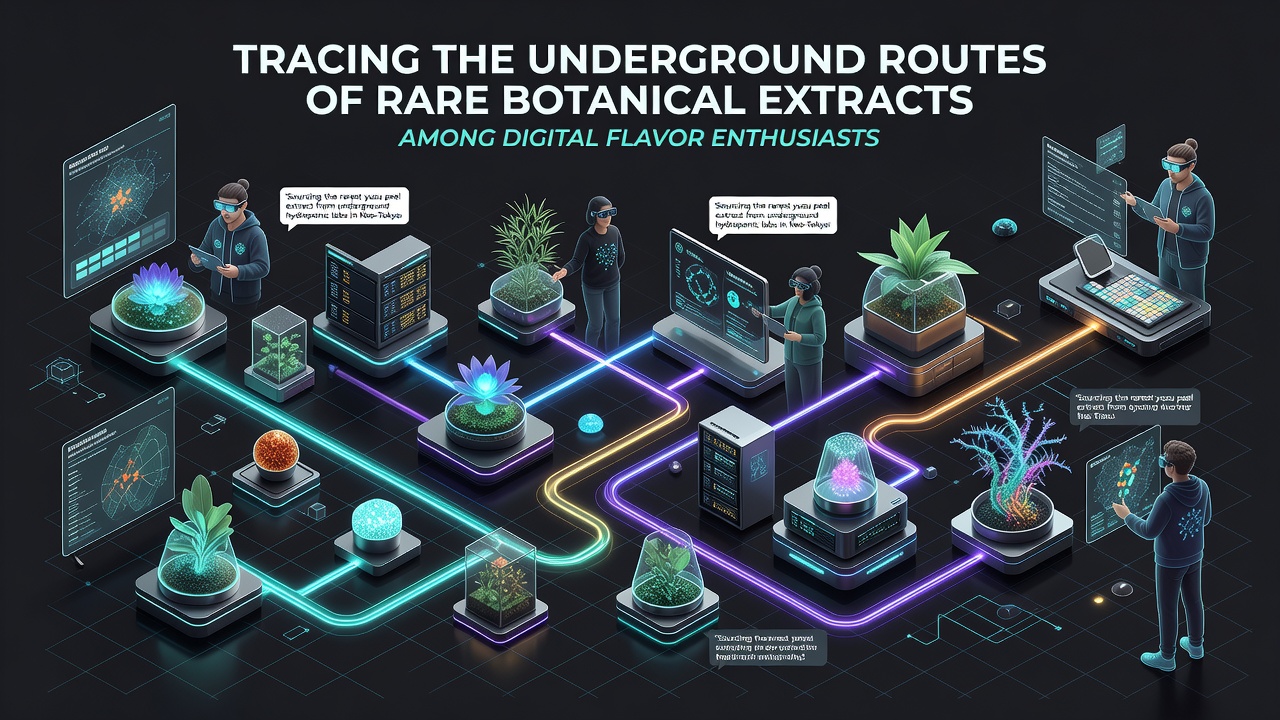
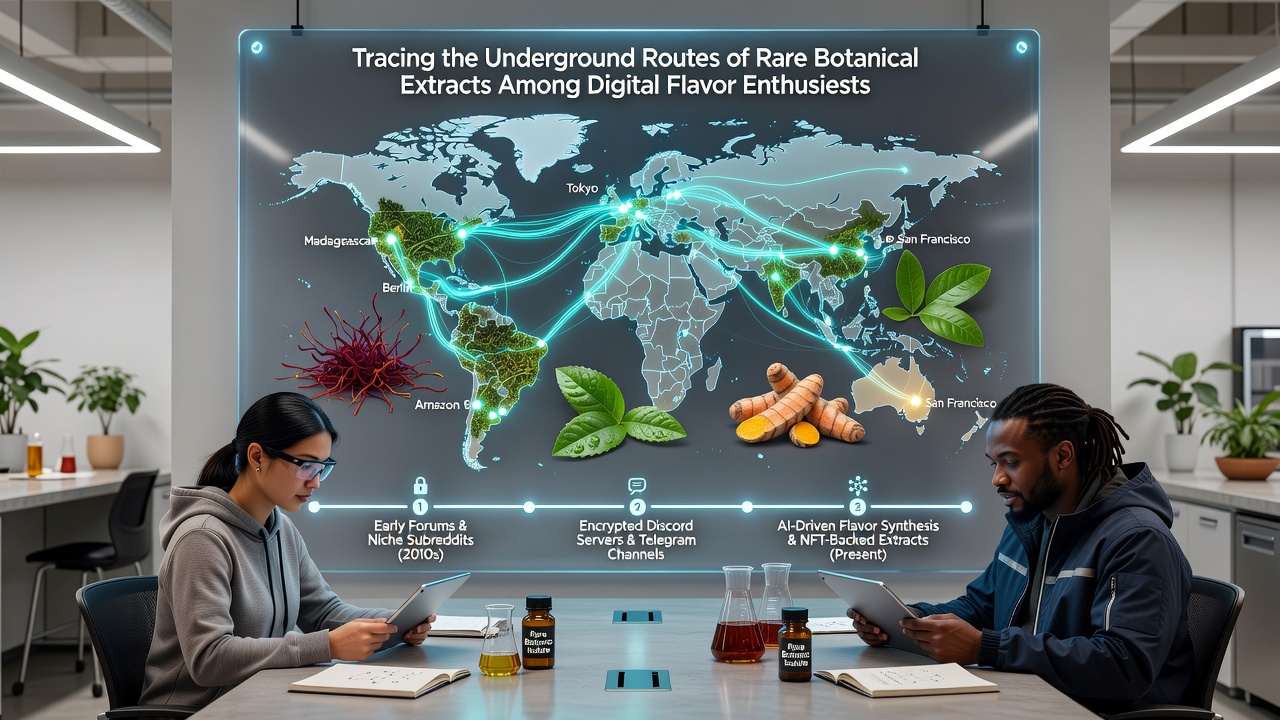
Tracing the Underground Routes of Rare Botanical Extracts Among Digital Flavor Enthusiasts
Digital platforms have become central hubs where collectors exchange information on rare botanical extracts and their sourcing pathways, and these networks operate through private forums, encrypted channels, and specialized websites that connect enthusiasts across continents. Data from industry reports shows that participation in such groups has grown steadily since the early 2020s, driven by advances in e-commerce and global shipping logistics that allow small-scale transfers of high-value plant materials.
Mapping Online Communities and Their Structures
Enthusiasts often gather in invitation-only servers and moderated boards where members discuss extraction methods, regional availability, and quality verification techniques, while moderators enforce rules that keep conversations focused on compliance with import regulations. Researchers at institutions like the University of Melbourne have documented how these groups maintain detailed databases of botanical origins, noting that participants cross-reference supplier claims against laboratory test results shared within the community.
Supply routes typically begin in source regions such as Southeast Asia and parts of South America, where small farms harvest plants like rare citrus variants or orchid-derived compounds before sending them through multiple intermediaries to reach end users in North America and Europe. According to figures from Health Canada, botanical extract imports for flavor applications require specific documentation that many digital traders navigate by coordinating with licensed brokers who handle customs paperwork.
Logistics and Verification Practices
Verification steps include gas chromatography testing and blockchain-tracked certificates of origin, and enthusiasts share anonymized results to build collective trust without revealing individual identities. One study from the European Food Safety Authority highlighted how digital verification tools reduce the risk of mislabeled shipments, although enforcement varies by jurisdiction and volume thresholds.
September 2026 marks the scheduled date for an international virtual summit on sustainable botanical sourcing organized by trade associations in Australia and Canada, and organizers expect several hundred participants to review updated guidelines on digital trading platforms. Participants will examine case studies of successful route optimization that rely on regional partnerships rather than centralized distributors.
Regulatory Frameworks Across Regions
Government agencies in the United States and the European Union maintain distinct rules for botanical extracts intended for flavor use, and the U.S. Food and Drug Administration requires pre-market notifications for novel ingredients while EU standards emphasize traceability documentation throughout the supply chain. Observers note that digital enthusiasts adapt by segmenting shipments into smaller lots that fall under simplified reporting categories in multiple jurisdictions.
Academic papers from the National University of Singapore describe how private networks employ escrow services and third-party testing labs to bridge gaps between informal sourcing and formal compliance, and these arrangements allow continued access to extracts that face seasonal restrictions or export quotas in origin countries. Figures reveal that compliance costs represent a significant portion of transaction values for high-rarity materials.
Emerging Patterns in Digital Exchange
Recent trends include the integration of artificial intelligence tools for predicting harvest yields and matching suppliers with collectors based on specific extract profiles, and these systems draw on public agricultural datasets to forecast availability. Trade groups report that such tools have streamlined route planning while maintaining separation between commercial and personal-use categories.
Cross-border challenges persist around differing definitions of "rare" status and varying laboratory accreditation standards, yet community-maintained glossaries help standardize terminology across English, Mandarin, and Portuguese-speaking groups. Evidence from research institutions indicates that transparent information sharing within these circles correlates with higher rates of successful customs clearance.
Conclusion
The networks that trace underground routes for rare botanical extracts continue to evolve alongside regulatory updates and technological improvements in verification and logistics. Participants rely on established practices of documentation and testing to sustain access while operating within the boundaries set by agencies in different regions. Continued monitoring of these digital channels provides insight into how global supply dynamics intersect with enthusiast communities.