Morgan Simon · 12 September 2026
Navigating Flavor Profiles in Underground Digital Gatherings for Aromatic Ingredient Collectors
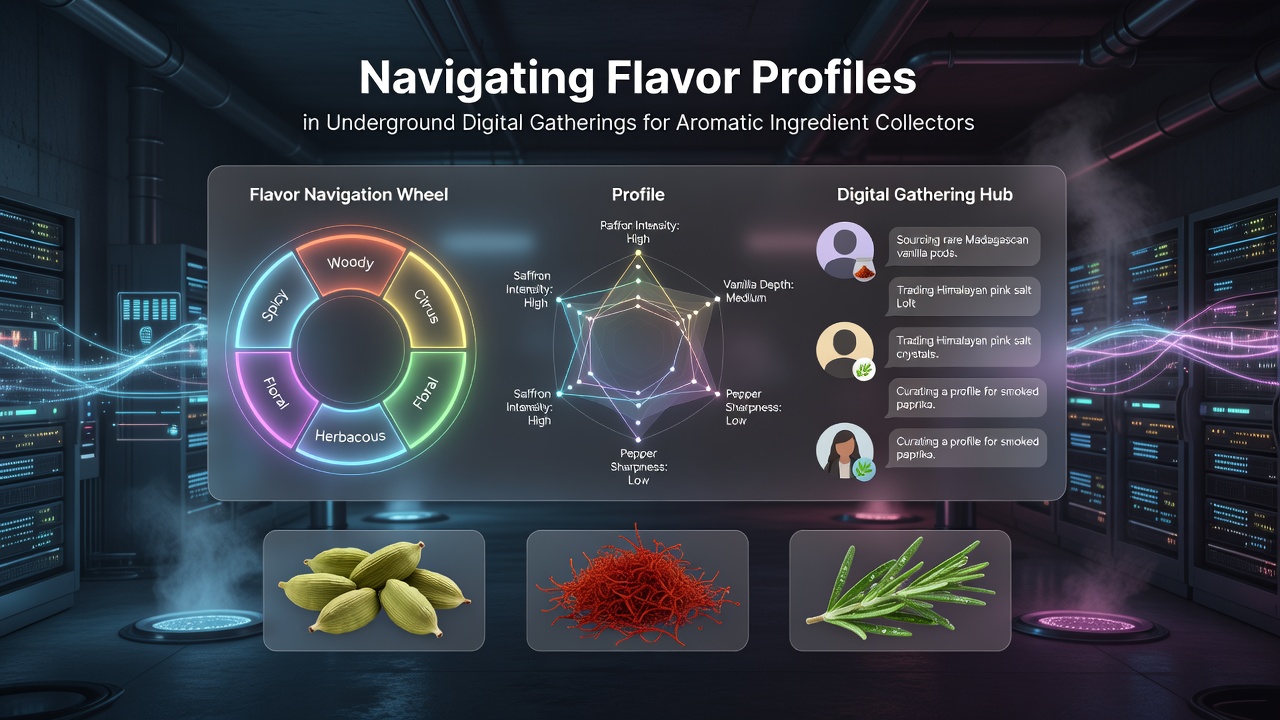
Private online forums and encrypted chat platforms serve as hubs where collectors of rare aromatic ingredients exchange detailed notes on flavor compounds, sourcing origins, and extraction techniques. These gatherings operate through invitation-only channels that focus on substances such as aged vanilla pods, single-origin saffron threads, and specialized bittering agents derived from gentian or wormwood. Participants catalog sensory attributes using standardized descriptors drawn from analytical chemistry databases rather than personal impressions, and they cross-reference chemical profiles with published gas chromatography data.
Research from flavor science laboratories shows that volatile organic compounds determine the primary aroma categories in these discussions, with participants mapping terpenes, esters, and phenolic compounds against known molecular structures. Data from the Flavor and Extract Manufacturers Association indicates that over 3,000 distinct aromatic molecules have been isolated from botanical sources, allowing collectors to align their findings with peer-reviewed compound libraries. In September 2026 several invitation-only servers plan synchronized virtual tasting sessions timed with new harvest reports from Madagascar and Kashmir, enabling real-time comparison of batch variations.
Mapping Sensory Attributes Through Shared Data
Collectors rely on shared spreadsheets and annotation tools that tag each ingredient entry with objective metrics such as pH levels, moisture content, and dominant volatile markers. These records draw from university studies that quantify how drying temperatures alter furan and pyrazine concentrations in spices. One documented case involved a group tracking changes in a limited lot of aged black cardamom, where participants recorded shifts in 1,8-cineole levels across multiple storage conditions using portable spectrometer readings uploaded to the forum archive.
External resources supplement internal discussions, including reports from the European Food Safety Authority on permitted botanical extracts and guidelines from Health Canada concerning labeling of natural flavoring substances. Participants consult these documents to verify regulatory status before trading samples across borders, and they maintain separate threads for regional compliance updates that affect shipping protocols.
Digital Tools for Comparative Analysis
Software platforms integrated into the gatherings allow side-by-side overlay of mass spectrometry outputs from different batches, highlighting deviations in peak intensity for specific ions. Observers note that such visual comparisons reduce ambiguity when describing how a particular lot of tonka bean deviates from standard coumarin thresholds. Forums also host periodic calibration exercises where standardized reference samples circulate among verified members to align individual sensory vocabularies with instrumental readings.
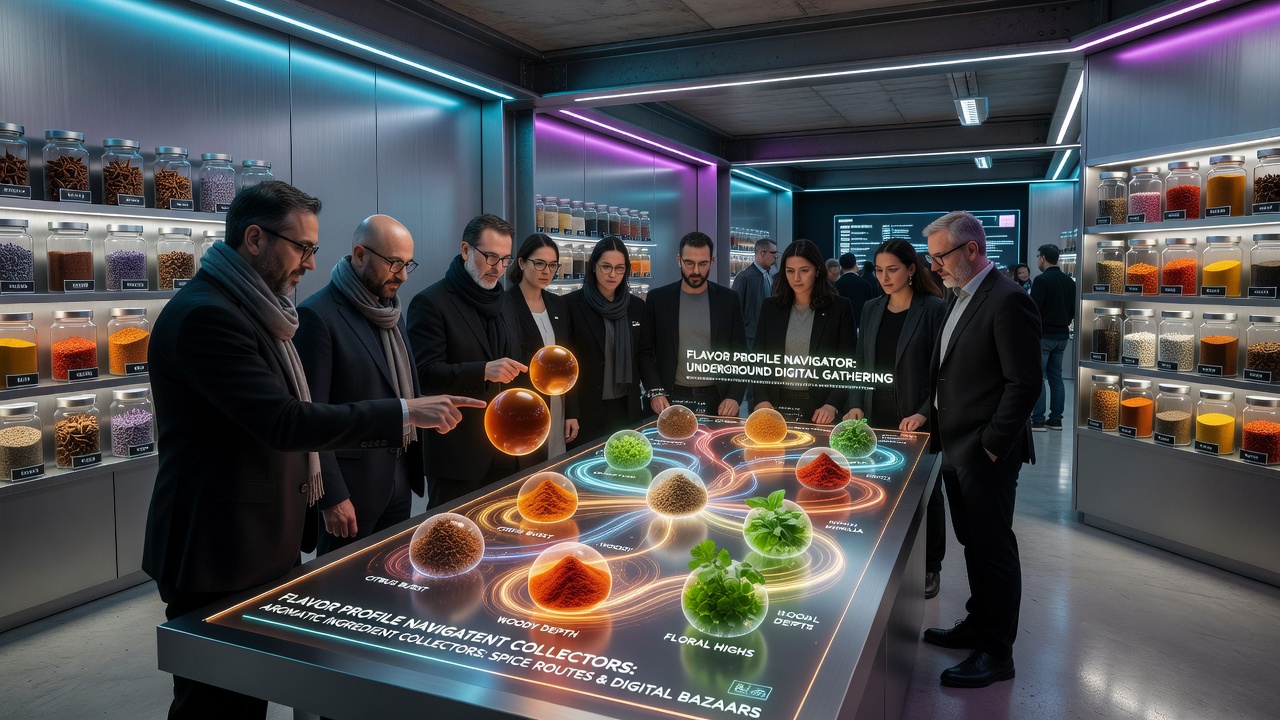
Academic repositories contribute additional depth, with papers from the University of Melbourne examining how soil mineral content influences linalool expression in coriander seeds. Collectors incorporate these findings into their databases by adding geospatial tags to each entry, creating searchable maps that correlate growing conditions with measured aromatic intensity. This approach supports predictive modeling of upcoming harvests without relying on subjective taste reports.
Coordination of Virtual Events and Harvest Tracking
September 2026 gatherings include scheduled sessions focused on newly released analytical reports from major producing regions. Organizers coordinate with laboratories that release batch-specific certificates listing concentrations of key odorants such as vanillin and safranal. Members use these certificates to update collective inventories and to flag outliers that may indicate processing variations or storage issues. Threads dedicated to these updates remain active for several weeks after each release, allowing time for cross-verification against independent third-party assays.
Industry associations publish annual summaries of global supply data that participants reference when forecasting availability of limited botanicals. These summaries provide quantitative baselines for expected yield fluctuations due to weather patterns, and collectors integrate the figures into their planning documents for upcoming digital roundtables. The process maintains separation between regulatory compliance information and community-generated tasting archives to preserve clarity in record-keeping.
Conclusion
Underground digital gatherings for aromatic ingredient collectors function through structured data exchange that emphasizes molecular profiles and regulatory references over individual preferences. By integrating spectrometry outputs, peer-reviewed studies, and official agency guidelines from multiple jurisdictions, participants maintain consistent frameworks for cataloging and comparing flavor-related attributes. Events scheduled for September 2026 illustrate how these networks adapt to new harvest data while preserving the objective documentation standards that define the communities.